
Building a skincare brand looks exciting from the outside, but behind every product that finally appears on a shelf is a chain of connected decisions. Many new brands move too quickly into packaging design before the business foundation is actually ready.
If you want to build a brand that can compete, the order of work matters. Your first focus should not be the logo or the packaging colors. It should be the market, the product, and the business model.
1. Define the market gap you want to fill
Brands that disappear easily are often born without a strong enough reason to exist. They enter a crowded category without a clear point of view.
Start with these questions:
- Who is your brand’s main audience?
- What skin problem or need do you most want to address?
- At what price level do you want to compete?
- Why should your product feel more relevant than competing options?
The more specific your answers are, the easier it is for the brand to develop a real identity.
2. Choose a consistent positioning
Positioning is not a slogan. It is the way you want the brand to be recognized.
Common positioning directions include:
- science-backed and clinical
- clean and minimal
- natural and calming
- active-performance for measurable results
- premium ritual and sensorial
Once the positioning is chosen, every later decision should follow it: formula, product naming, packaging, photography, and even the way your captions are written.
3. Choose the first category and hero product
New brands do not need to launch too many SKUs at once. In many cases, it is stronger to begin with one clear hero product or a very small range.
When choosing the first category, look at:
- the most obvious market need
- development speed
- ease of consumer education
- margin potential
- repeat-order opportunity
If you want a category that is more efficient to start with, read private label cosmetics categories that launch the fastest.
4. Build the product concept and brief properly
Once the category is chosen, you need to translate the brand idea into a product concept that can actually be developed. This is where many founders stay too general and lose time.
At minimum, you should define:
- target market
- hero claim
- priority active ingredients
- sensory direction or texture
- price range
- competitor benchmarks
These two guides will help:
- how to define a skincare product concept that is ready for market
- how to draft a clear cosmetics product brief for R&D teams
5. Choose a manufacturing partner that fits your stage
The manufacturing partner is not just a producer. They will strongly affect the pace of your development process. Choose a partner that can do more than manufacture. They should also communicate clearly and understand your business goals.
Things worth evaluating:
- how they respond to the brief
- whether they provide useful technical feedback
- how clear the sampling workflow is
- whether they understand compliance and documentation
- how flexible they are with the brand’s product roadmap
6. Calculate the price structure early
A skincare brand can look attractive and still have a weak business model. Before going into production, make sure you have already calculated:
- estimated product cost
- packaging cost
- shipping and storage cost
- content and advertising cost
- distributor, reseller, or marketplace margin
If you have never built that structure before, continue with how to calculate cosmetics MOQ and margin.
7. Prepare legal and administrative matters
Once the product starts to narrow into a clear direction, do not wait too long to think about compliance. Organized brands move more smoothly when production is ready.
Important points to understand early:
- business status and brand ownership
- the cosmetics notification workflow
- label readiness and product data
- coordination with a production facility that meets the relevant standards
For a practical overview, read a brand owner’s guide to BPOM cosmetics registration.
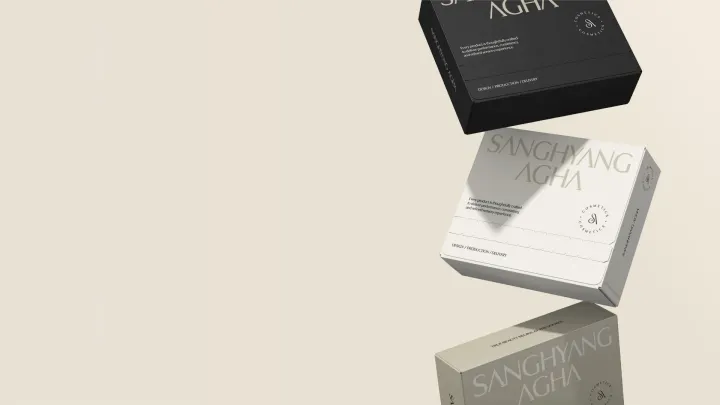
8. Build a visual identity that supports the positioning
Visual identity should come from strategy, not the other way around. Beautiful packaging that does not fit the market can weaken the brand instead of strengthening it.
Make sure the design is aligned with:
- the selling price
- the customer persona
- the product claim
- the sales channel
- the brand tone of voice
A clinical brand does not need to feel cold. A natural brand does not need to look generic. What matters is that the visual system stays consistent with the product promise.
9. Prepare the launch with a realistic scenario
A good launch is not just listing the product on a marketplace. You also need:
- safe initial stock
- photo and video assets
- educational product messaging
- a prelaunch or soft-launch plan
- a relevant list of KOLs or affiliates
- a retention strategy for repeat orders
Many brands spend huge energy on launch day but are not ready for the first 30 days after launch. That period often determines whether the brand builds momentum or stalls out.
10. Treat the brand as a system, not a single product
The first product matters, but brands that last usually think much further ahead. From the beginning, consider:
- the most logical second SKU
- the core collection you want to build
- supporting categories that can extend customer lifetime value
That is how you avoid becoming a one-product business.
Conclusion
Building a skincare brand from scratch requires the right sequence: understand the market, define the positioning, prepare a relevant product, calculate the business model, and execute the launch with discipline. When that foundation is strong, design and marketing finally have something stable to stand on.
The healthiest brands are not the ones that look busy the fastest. They are the ones that connect product, market, and business strategy in the cleanest way.