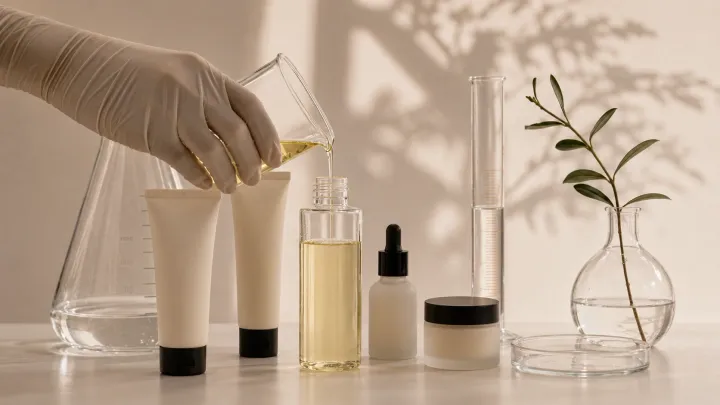
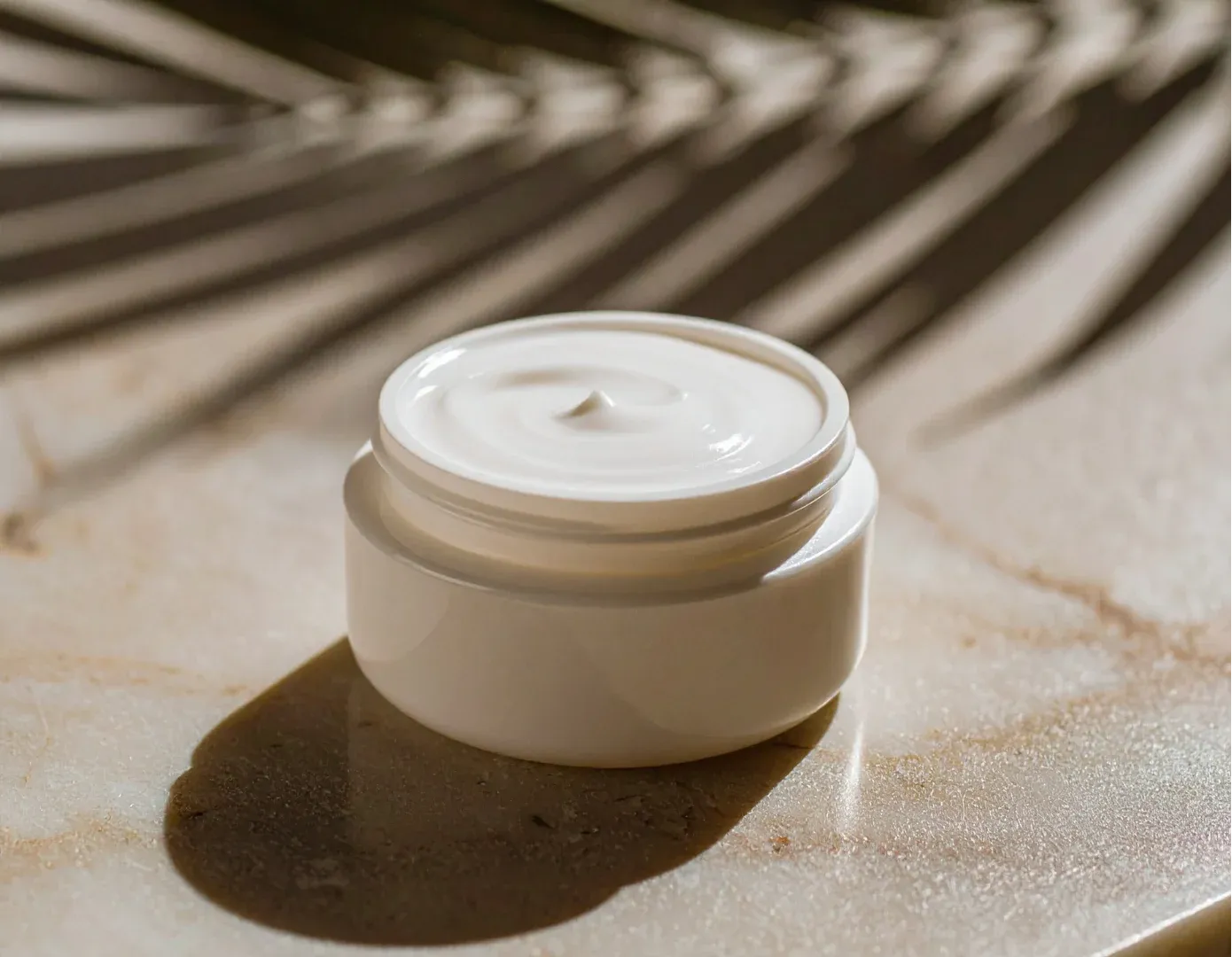
In many cosmetics categories, consumers repurchase not only because of the product claim, but because the texture feels right. In Indonesia’s hot and humid climate, and in a market heavily shaped by digital reviews, sensory experience becomes a major deciding factor.
That means texture should not be discussed too late in a contract manufacturing project. It should be decided from the concept stage.
Why texture matters so much
Consumers feel the texture before they can judge the long-term result. If the product feels sticky, too heavy, pills on the skin, or leaves an uncomfortable residue, repeat-order potential falls even when the ingredient list looks strong.
Texture also affects:
- perceived quality
- suitability for tropical weather
- ease of layering with other skincare
- performance under makeup
- fit with everyday routines
That is why sensory design is not cosmetic decoration. It is part of the product strategy.
What the Indonesian market generally prefers
In broad terms, the Indonesian market shows a strong preference for products that are:
- lightweight and fast-absorbing
- not greasy
- comfortable for morning and daytime use
- easy to layer with other products
- moisturizing without feeling too heavy
Some categories still accept richer textures, such as body butter or sleeping cream. But for serums, daily moisturizers, sunscreens, and active body care, the overall direction keeps moving lighter.
Serum textures: watery is still strong, but not the only option
Watery serums remain popular because they are associated with modern products, quick absorption, and suitability for hot climates. At the same time, consumers are becoming more open to slightly more cushioned textures as long as they do not feel heavy.
Common serum directions include:
- watery and fresh for brightening or calming serums
- slightly viscous for hydration and plumping
- milky serums for barrier support and comfort
The choice should still match the claim. There is little value in forcing an anti-aging serum with richer emollients to become overly thin if the result then feels less convincing.
Gel creams remain highly relevant
For moisturizers and treatment creams, gel cream is one of the safest formats for a broad market. It balances moisturization with wear comfort.
Why gel cream is widely liked:
- it feels lighter on tropical skin
- it still leaves a moisturized feel
- it suits teen to young adult segments
- it is relatively flexible across many claims
Brands that want to build a modern, easy-to-use daily image often start here.
Milky and soft lotion textures are rising in body care
In body care, very runny lotions can feel less premium. On the other hand, very thick body butter is not always ideal for daytime use in hot weather.
That is why many body care products are moving toward:
- smooth milky lotion
- body serum with light slip
- gel lotion that absorbs quickly
Formats like these make the product feel more active, more modern, and easier to fit into a daily routine.
Texture should stay aligned with the packaging
Very thick products may work better in a jar or tube, while lighter formulas are easier to use in a pump or dropper bottle. Packaging decisions should not be separated from formula character.
Examples:
- watery serum: dropper or airless pump
- gel cream: tube or jar
- body serum: pump bottle
- mist: spray bottle
This matters because the user experience is shaped not only by the formula, but also by how the product comes out of the pack.
Online reviews make sensory performance even more important
The Indonesian market is strongly influenced by TikTok, Instagram, and marketplace reviews. In short-form reviews, texture is one of the easiest aspects to show and describe.
Consumers often look for phrases such as:
- absorbs quickly
- not sticky
- light on the skin
- gives glow without looking oily
- comfortable for daily use
That means sensory decisions directly affect how the product will be talked about online.
How to translate texture trends into a manufacturing brief
Instead of writing only “we want a nice texture,” describe your preferences more concretely:
- thickness level
- absorption speed
- final finish
- whether a cooling feel is needed
- whether rich comfort is needed
- whether the product is meant for morning, night, or both
That gives R&D much more useful direction than abstract wording. If your brief still feels loose, use how to draft a clear cosmetics product brief for R&D teams.
Do not follow trends without checking your brand position
Even though lightweight textures are dominant right now, that does not mean every product should feel extremely watery. Your brand still needs to consider:
- price segment
- target consumer age
- product category
- functional expectations
- brand identity
A premium barrier cream can feel richer if that is part of the value proposition. What matters is that the sensory outcome feels intentional rather than accidental.
Conclusion
Cosmetics texture is a major factor in repeat purchase decisions. In the Indonesian market, formulas that are lightweight, fast-absorbing, and comfortable for layering are usually easier to accept. Even so, the final choice still needs to follow the product function, the target segment, and the brand identity.
Before locking the final formula, make sure you know exactly what sensory experience you want the product to deliver. In many cases, that detail becomes one of the biggest differentiators in the eyes of consumers.